
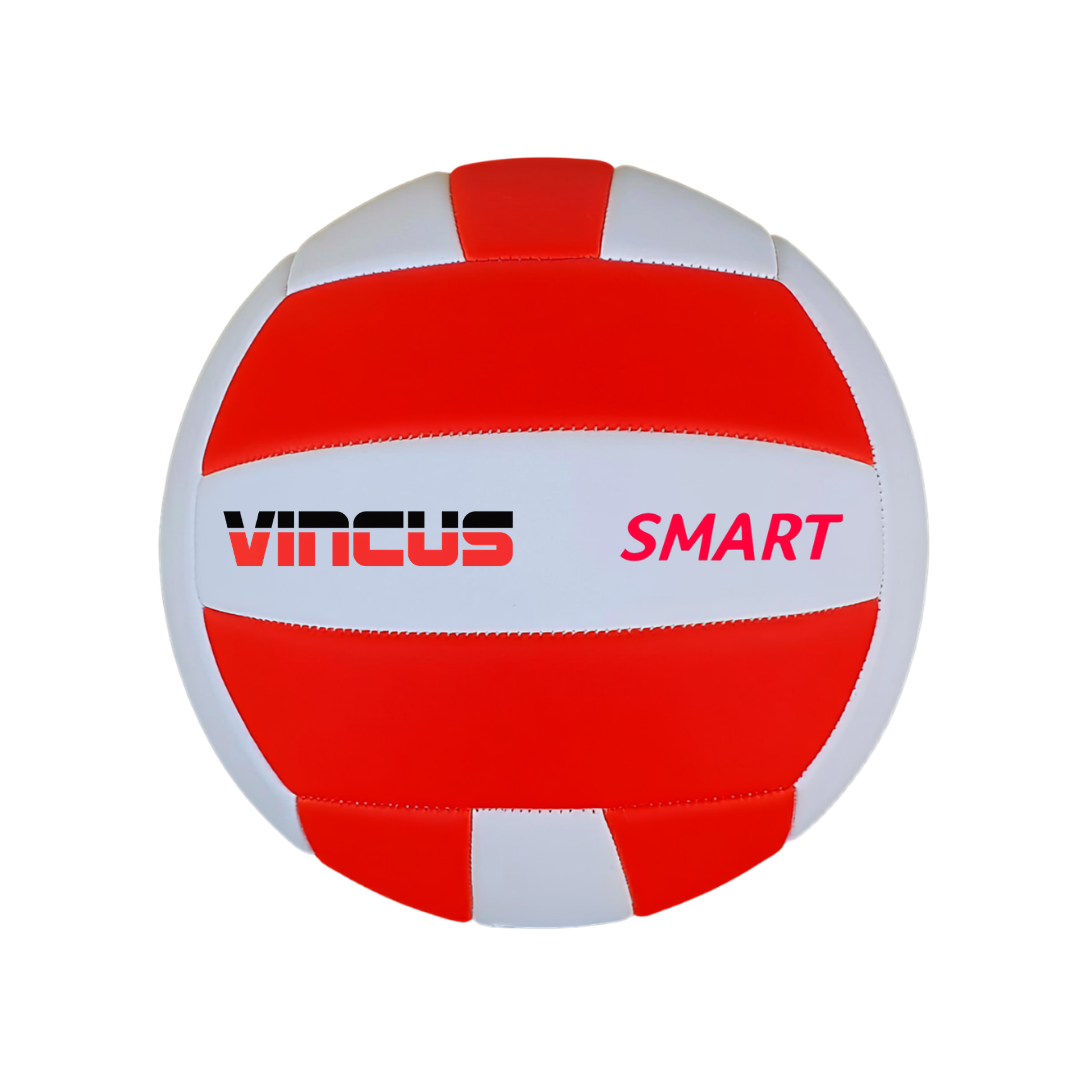
Footballs are one of the biggest recurring costs for any Gaelic club, and one of the most common items in a sports shop’s autumn order. Getting the sizes right matters: a ball that is too heavy for an underage team holds back their development, while the wrong match ball can cause problems on the day. This guide explains the main Gaelic football sizes and weights and how to plan a bulk order around them.
The Official Adult Match Ball
The adult Gaelic football is defined in the sport’s Official Guide. A match ball must:
- Weigh not less than 480g and not more than 500g
- Measure not less than 68cm and not more than 70cm in circumference
This is the ball commonly referred to as a size 5. It is used in men’s adult football and in the older underage grades.
The same rules allow a county committee to reduce ball dimensions for Under 15 or younger grades within its area. That is why you will see some variation from county to county in exactly when players move up to the full-size ball.
Size 4 Footballs
The size 4 is smaller and lighter than the adult ball. It has two important uses:
Ladies’ Gaelic Football
Under the ladies’ game’s playing rules, a size 4 football is used in all grades of competition from U12 upwards. A smaller size 3 or a Go Games ball may be used for younger age groups. For a retailer, this makes size 4 a core line, because it covers every adult ladies’ footballer as well as many underage players.
Juvenile Boys’ Football
Many boys’ juvenile teams also play with a size 4 before moving to the full-size ball. Where the switch happens depends on local rules, so club buyers should check with their county board for each age group.
Go Games Sizes for Younger Players
For the youngest players, the recommended Go Games football rules set out a clear ball progression:
| Age group | Recommended ball |
|---|---|
| Under 6 and 7 | Size 1 |
| Under 8 and 9 | Size 2 |
| Under 10 and 11 | Size 3 |
Smaller, lighter balls help children learn to catch, kick and solo with confidence. Supplying the correct size at each level is one of the easiest ways a club can support player development.
Match Balls Versus Training Balls
Match Balls
Match balls are what your teams use on competition day. Buyers usually prioritise consistent shape, reliable flight and a cover that keeps its grip in wet conditions. If your teams play in official competitions, check which balls are approved for use before ordering.
Training Balls
Training balls take a lot of punishment: wet pitches, rough surfaces and constant kicking practice. Many clubs buy training balls in larger numbers and replace them more often, so value and durability are the main concerns. Keeping training and match stock separate helps your equipment budget go further.
Planning a Bulk Football Order
Count Players by Age Group
Make a simple list of your teams and the ball size each one uses. Multiply by the number of balls you want per squad, and you have a starting point for your order.
Think About Seasonality
Demand peaks before the season starts and during summer camps. Retailers often order ahead of these periods so stock is on the shelf when parents and coaches start buying.
Allow for Wear and Losses
Footballs puncture, wear out and go missing. Use your own records from previous seasons to set a realistic replacement rate.
Agree the Specification
Confirm the size, weight range, cover material, colours and branding with your manufacturer before production. Ask directly for their minimum order quantities, prices, lead times and any approval details, and get these confirmed in writing.
Branded and Private Label Footballs
Custom footballs are popular with clubs and brands alike. A club crest on the ball can support fundraising and presentations, while retailers and sports brands can build a private label range under their own name. When briefing a manufacturer:
- Supply your logo in vector format
- Give colour references, such as Pantone codes
- Specify the sizes you want branded
- Ask about custom packaging if you plan to sell the balls in retail
Care Tips Worth Sharing
Simple care advice extends the life of every ball. Inflate to the pressure recommended by the manufacturer, wipe off mud after use, let wet balls dry naturally away from direct heat and store them somewhere cool and dry.
Sourcing Gaelic Footballs From Vincus Sports
Vincus Sports is a manufacturer and exporter based in Sialkot, Pakistan, a city with a long history of producing stitched sports balls for markets around the world. We make Gaelic footballs alongside Gaelic gloves, sliotars, hurling gloves and club teamwear, and we offer OEM and private label production for clubs, wholesalers and brands in Ireland, the UK, the USA and Europe.
See our Gaelic footballs, browse the full Gaelic range or add Gaelic gloves to your order.
Quick Reference
- Adult match ball (size 5): 480g to 500g, 68cm to 70cm circumference
- Ladies’ football from U12 upwards: size 4
- Under 10 and 11: size 3
- Under 8 and 9: size 2
- Under 6 and 7: size 1
- Juvenile boys’ grades: check county rules for the size 4 to size 5 switch
Get a Quote for Gaelic Footballs
Need match balls, training balls or a branded range for your club or shop? Tell us the sizes and quantities you need and we will prepare options for you. We provide 24/7 support via WhatsApp, or you can request a quote from Vincus Sports today.
Leave a Reply