
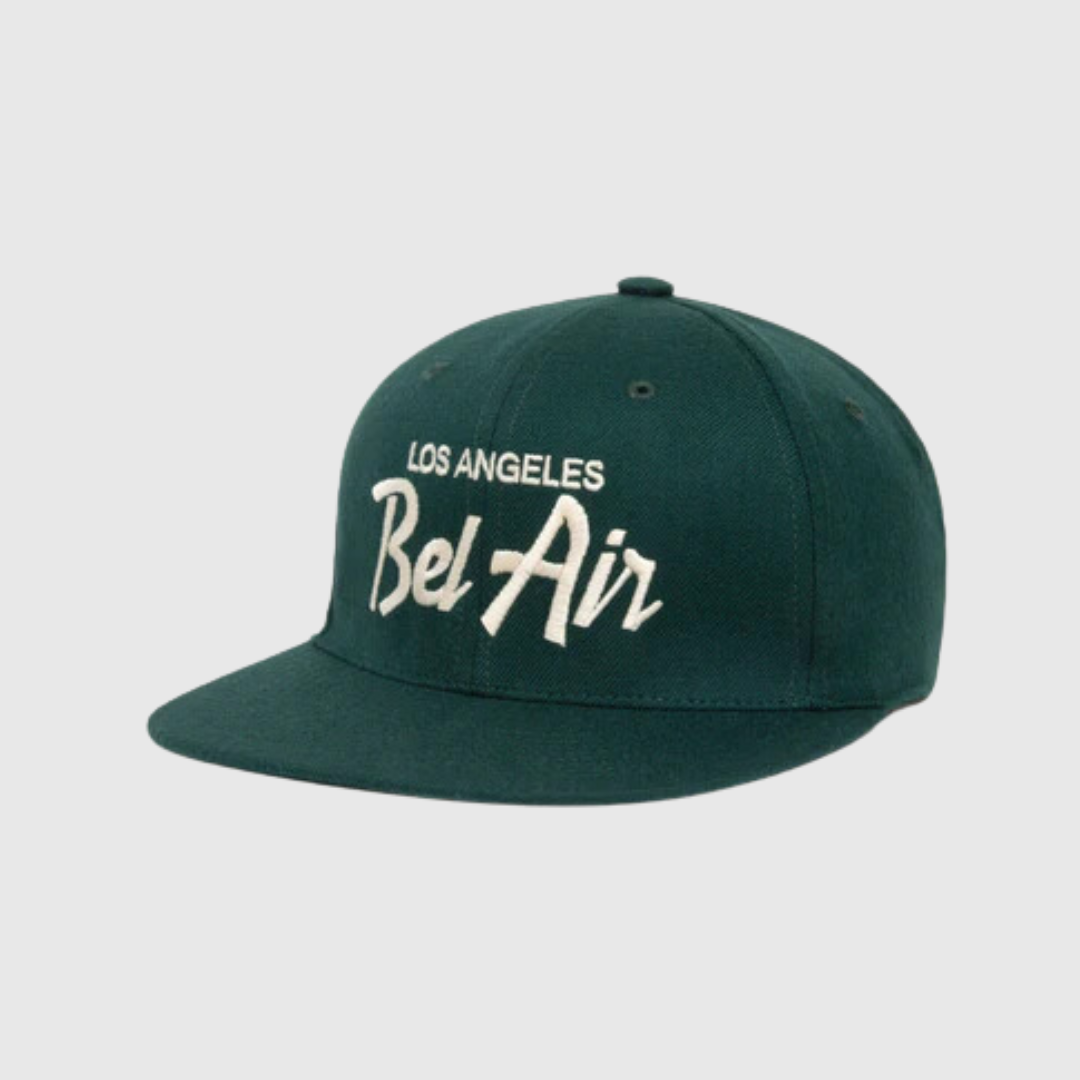
A cap is one of the most useful pieces of club merchandise. It is light to carry, it suits almost every age group and it keeps the club crest in view long after the match is over. For clubs running a shop, a cap is a natural companion to hoodies, jackets and bags. For retailers and brands, it is a versatile line that can be styled for sport or for everyday wear. This guide explains the main cap styles, the logo options and the decisions a buyer should make before ordering custom club caps in bulk.
Why Caps Work for Clubs
Caps are visible, practical and easy to sell. Supporters wear them on the sideline in sun or drizzle. Coaches and committee members wear them at tournaments. Sponsors like them because the logo sits at eye level. For a club shop, a cap is often an easier first purchase than a full jersey because sizing is simpler and there is less pressure on fit.
If you are planning a wider range, caps sit well beside custom club hoodies and jackets and hurley bags, so supporters can build a matching set.
Cap Styles: The Basics
Cap descriptions use a handful of terms. Knowing them makes briefs clearer and samples easier to compare.
Panels
Most caps are made from five or six panels of fabric. A six-panel cap has a seam down the centre front, which can split a logo placed across it. A five-panel cap has a flat, seamless front panel that gives a cleaner surface for a wider logo.
Crown: Structured or Unstructured
A structured crown has a firm lining behind the front panels so the cap holds its shape. It is a stable surface for crisp embroidery. An unstructured crown is soft and low and sits closer to the head. It suits simple logos and a relaxed look.
Brim
Brims can be flat, pre-curved or fully curved. Flat brims are associated with snapback styles, and curved brims with the classic baseball and everyday look.
Closure
Common closures include snapback, strapback and fitted. Snapbacks and strapbacks adjust to a range of head sizes, which makes stock planning easier. Fitted caps are made in graded sizes and therefore need a size run.
What Our Range Shows
Our caps and baseball caps categories include flat-brim snapbacks, curved-brim caps, corduroy and denim styles, pinstriped baseball caps and bucket hats. That spread is useful for a club or brand because different customers want different looks. Some want a traditional curved-brim cap with an embroidered crest, while a younger market may prefer a flat-brim or bucket style.
Logo Options
The way a logo is applied changes the look, the feel and the cost of a cap, so it is worth understanding the options before you commit.
| Method | Best for | Points to note |
|---|---|---|
| Flat embroidery | Most crests and lettering | Durable and classic; very small text can fill in |
| 3D puff embroidery | Bold, simple shapes and block letters | Raised effect; fine detail is lost |
| Woven patch | Detailed logos, small text, gradients | Sewn onto the cap front |
| Printed or sublimated | Flat graphics and all-over colour | Depends on fabric and cap style |
Logo Size and Detail
The front of a cap is a small surface. A typical embroidery area is roughly two to two and a half inches high, so a complex crest drawn for a jersey may need simplifying. Very fine lines and tiny text can disappear at cap scale. On a six-panel cap, keep the artwork clear of the centre seam or design it to sit across it deliberately.
Artwork Preparation
Embroidery requires a stitch file made from your artwork, which is prepared by the manufacturer or a digitiser. Supply a clean, high-resolution or vector logo, a list of thread or Pantone references and a note of where you want the logo to go. Before you approve a bulk run, ask for a sample and check it against your brief. Not every method suits every cap, so ask which options work best for your chosen style and fabric.
Choosing the Right Cap for Your Customers
Think about who will wear the cap and where.
- Clubs and supporters often prefer a classic curved-brim cap with an embroidered crest in club colours.
- Schools may want an adjustable style that fits a range of ages.
- Retailers and brands might choose a smaller number of styles with distinctive trims, colours or labels.
- Sponsors and events often favour a simple design that shows the logo clearly.
Keep the range focused. Two or three styles in a few well-chosen colours are easier to sell than a long list.
Planning a Bulk Order
Decide the Purpose
Will the cap be a giveaway for members, a product in a club shop or part of a brand range? That decision affects the style, fabric and finish you choose.
Agree the Spec in Writing
Record panel count, crown type, brim, closure, colours and logo position. A simple spec sheet avoids misunderstandings and makes reorders easier.
Approve a Sample
A physical sample shows how the logo looks, how the cap fits and how well it is finished. Check the stitching, inside finish, brim shape and closure. Our guide to choosing a teamwear supplier covers what to check before you order.
Plan the Timing
Order ahead of the moments when caps sell best: the start of the club season, summer tournaments and the Christmas gifting period. Ask for a realistic schedule when you request a quote and add a margin for shipping.
Combining Caps With Other Club Kit
A cap rarely sells alone. Clubs often order caps with jerseys, hoodies and jackets and training gear so that coaches, players and supporters look consistent. Retailers benefit from bundling too. Our guide to ordering custom club teamwear explains how to plan an order that includes several products.
Ordering Custom Club Caps From Vincus Sports
Vincus Sports is a manufacturer and exporter based in Sialkot, Pakistan. We make caps, sportswear, hurling and Gaelic equipment, boxing gear and baseball products for clubs, retailers and private label brands in Ireland, the UK, the USA, Europe and Australia. Samples are available on request, and we ship worldwide with tracking.
Tell us the style, quantities, colours and logo you have in mind, and we will prepare a quote. Email qasim@vincussports.com or use our contact page.
Leave a Reply