
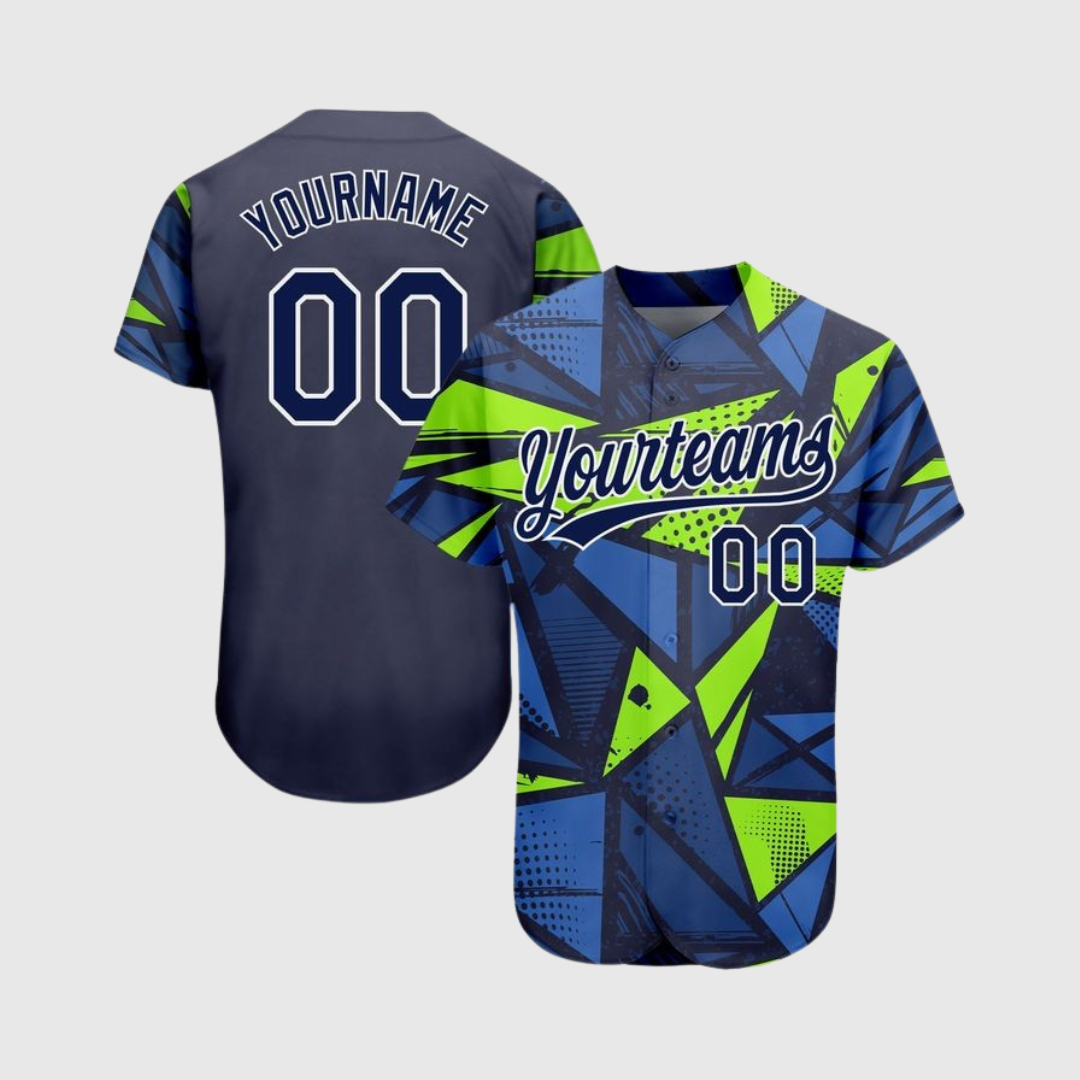
Look at almost any modern club jersey, whether in hurling, Gaelic football, rugby, soccer or baseball, and you will see bold stripes, gradients and patterns running from collar to hem. Most of those designs are made with sublimation. For clubs planning new kit for the coming season, and for retailers and brands building a teamwear range, understanding sublimated jerseys makes it much easier to brief a manufacturer and to judge the samples that come back. This guide explains what sublimation is, how it compares with screen printing and embroidery, and when each method makes sense.
What Are Sublimated Jerseys?
A sublimated jersey is one where the design has been transferred into the fabric itself rather than printed on top of it. The artwork is first printed onto special transfer paper with sublimation inks. The paper is then pressed against the fabric under high heat and pressure. The heat turns the ink into a gas, which bonds with the polyester fibres. When it cools, the colour is locked inside the fibre.
Because the ink becomes part of the fabric, there is no layer sitting on the surface. Run your hand over a sublimated jersey and you will feel only the fabric, not the print.
Why Clubs Like Sublimation
- No cracking or peeling. With nothing on the surface, there is nothing to crack, flake or peel after repeated washing.
- Unlimited colours. A full-colour photograph costs no more to reproduce than a single block of colour, so gradients, camouflage effects and detailed patterns are all possible.
- Breathable, lightweight kit. The fabric keeps its original feel and stretch, which matters in a jersey worn through a full match.
- Edge-to-edge designs. Patterns can run across seams, sleeves and collars without interruption.
The Limits of Sublimation
Sublimation is excellent, but it is not magic. Every buyer should understand three limits before signing off a design.
It Needs Polyester
Sublimation ink only bonds with polyester fibres. It works on 100% polyester and on fabrics with a high polyester content, but not on cotton. That is why sublimation is the standard for performance jerseys and training tops, and why it is the wrong choice for a cotton leisure T-shirt.
There Is No White Ink
Sublimation adds colour to the fabric; it cannot add white. White areas in a design are simply the white base fabric left unprinted. In practice, this means sublimated jerseys start with white fabric, with darker colours printed onto it. It also explains why you should not expect to sublimate onto a dark-coloured garment.
Colour Matching Takes Care
Sublimated colours can vary slightly depending on the fabric, the heat and the ink. If your club colours are defined by specific shades, share the reference colours with your manufacturer and approve a printed sample before production. Do not rely on how colours look on screen.
How Sublimated Jerseys Are Made
There are two broad approaches.
Cut-Piece Sublimation
The fabric panels are printed flat first, then cut out and sewn together. This is the usual route for fully custom team jerseys, because the design can cover every part of the garment, including sleeves and side panels.
Printing Finished Garments
Some designs are pressed onto a garment that has already been sewn. This is quicker for simple placements, but it is harder to print right to the edges and across seams. For full club kit, cut-piece production is generally the better choice.
Sublimation vs Screen Printing
Screen printing pushes ink through a fine mesh screen onto the surface of the garment, one colour at a time.
- Best for: cotton T-shirts, hoodies and simple logos produced in volume.
- Strengths: strong, opaque colours and a cost per garment that falls as quantities rise.
- Weaknesses: each colour needs its own screen, so complex multicolour designs become costly. The ink sits on the surface and can crack over time.
- On polyester: printing onto polyester carries a risk of dye migration, where dye from the fabric bleeds into the print. Specialist inks are needed.
For a club, screen printing is often a good choice for supporters’ T-shirts and cotton leisurewear, while sublimation suits the match and training jerseys.
Sublimation vs Embroidery
Embroidery stitches the design into the garment with thread.
- Best for: crests and logos on polos, jackets, hoodies and caps.
- Strengths: a premium, textured look and excellent durability.
- Weaknesses: it suits smaller designs with limited detail, it adds weight and it is less comfortable on lightweight, high-stretch playing fabrics.
Embroidery gives a smart, traditional look, which is why it remains the favourite for off-field clothing. Our guide to custom club hoodies and jackets covers embroidery on leisurewear in more detail.
Combining Methods on One Jersey
Many jerseys combine methods. A common approach is a sublimated body for the main design, with names and numbers added separately so that each player’s details can be personalised. Some clubs also choose an embroidered crest on a sublimated jersey for a more premium finish. Discuss your options with your manufacturer, because the right combination depends on the design, the fabric and how the kit will be worn.
Choosing the Right Method: A Quick Guide
| Garment | Usual best method |
|---|---|
| Match and training jerseys | Sublimation |
| Performance training tops | Sublimation |
| Cotton T-shirts for supporters | Screen printing |
| Polos, jackets and hoodies | Embroidery or printing |
| Caps | Embroidery |
How to Brief a Sublimated Jersey Order
A clear brief gets you better samples and fewer surprises.
- Send vector artwork. Crests, sponsor logos and fonts should be supplied as vector files so they stay sharp at any size.
- Define your colours. Give reference colours for your club shades, and approve a printed sample.
- Confirm the fabric. Ask what polyester fabric will be used and how it feels and breathes.
- Plan names and numbers. Decide how player details will be applied before artwork is finalised.
- Approve a full sample. Check the fit, the colours, the print alignment across seams and the finish before bulk production.
- Collect sizes early. Use a size sheet for each team so the order matches your squad.
For the wider ordering process, see our step-by-step guide to ordering custom club teamwear.
Related reading: how to choose a teamwear supplier.
Sublimated Sportswear from Vincus Sports
Vincus Sports manufactures sportswear and teamwear in Sialkot, Pakistan, including baseball jerseys with sublimated team names and numbers. We also sublimate club designs, crests and logos onto the backs of our Gaelic gloves, so gloves can match the rest of your kit. We work with clubs, retailers and brands across Ireland, the UK, the USA, Europe and Australia, including custom and private label orders, and samples are available on request.
If you are planning new jerseys or training wear for next season, send us your design ideas, colours and approximate quantities. Email qasim@vincussports.com or use our contact page to request a quote.
Leave a Reply