
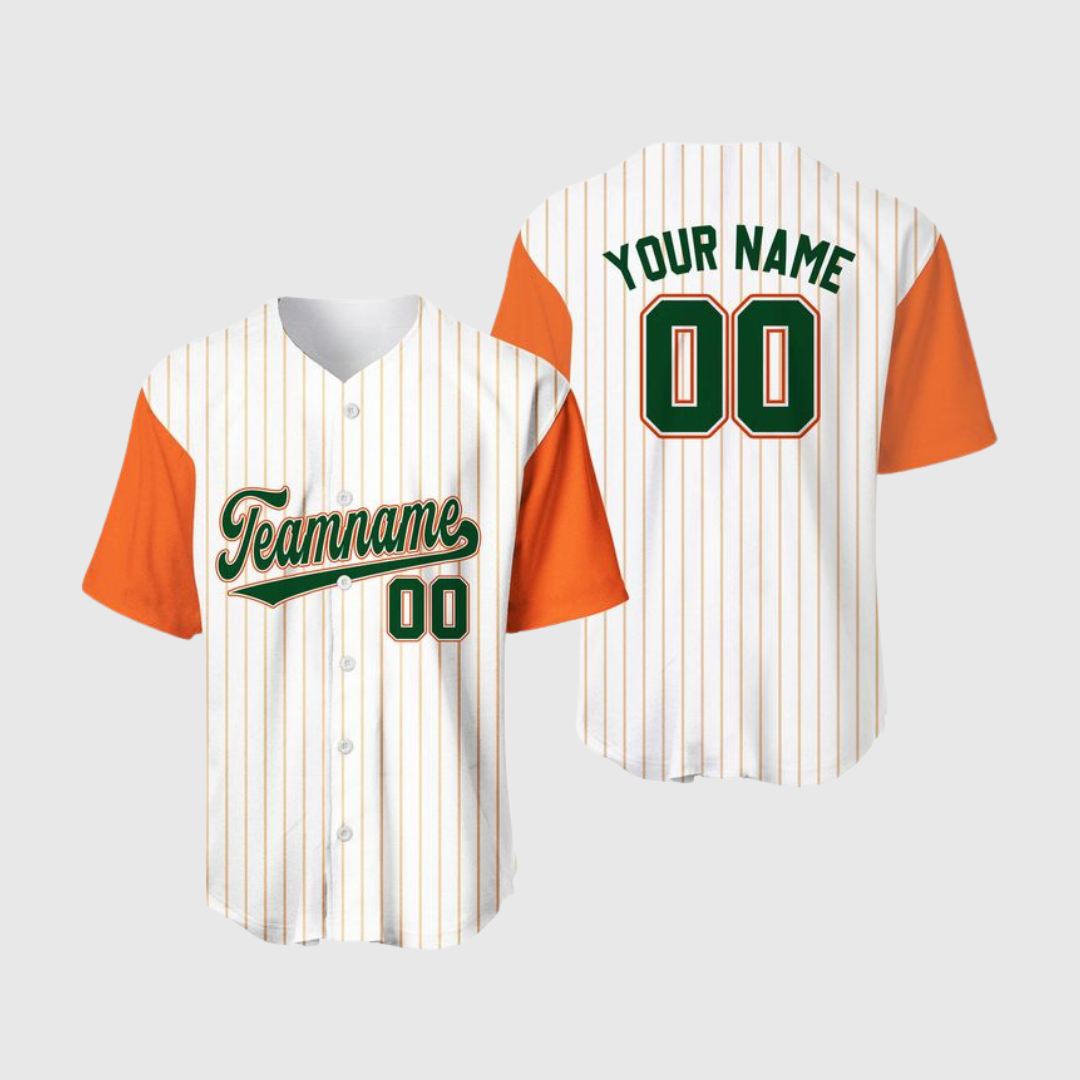
Baseball teams in the northern hemisphere do most of their uniform planning in winter, long before the first pitch. Coaches and league officials collect sizes, argue about colours and approve designs while the fields are still frozen. For manufacturers and brands, that makes the winter months the natural time to talk about custom baseball uniforms. This guide explains the main parts of a uniform, the decisions buyers face and how to plan an order so the kit arrives before the season starts.
What Makes Up a Baseball Uniform
A complete uniform is more than a jersey. Most teams order a set that includes:
- Jersey or shirt, with team name, player name and number
- Pants or knickers
- Cap
- Socks and belt, often sourced separately
Not every team buys every piece in one go. Youth leagues often supply the shirt and cap and leave pants, belt and socks to parents, which is exactly how Little League describes a typical set-up: a league must provide a conventional uniform, usually a shirt or jersey, a cap or visor and socks. Understanding who buys what helps a manufacturer or retailer plan the right mix of products.
Jerseys: Style and Decoration
Jerseys carry the most branding and so involve the most decisions. Our baseball shirts range includes pinstriped jerseys, split colour designs, raglan styles, sublimated fades and women’s cuts, which shows how wide the options can be.
Pinstripes and Piping
Pinstripes and piping are the traditional look. They suit teams that want a classic appearance, and they look best when the stripe spacing and colours are agreed on a sample.
Sublimated Designs
Sublimation prints the design into the fabric, which allows fades, camouflage-style patterns and detailed all-over artwork that would be difficult to achieve with stitching. If a team wants something bold, this is the route to explore. It helps to know that sublimation works best on polyester-type fabrics and that colours should be agreed against a physical sample or proof.
Names, Numbers and Patches
Names and numbers are where mistakes creep in. Numbers need to contrast clearly with the jersey colour so officials and scorers can read them. Leagues may also have rules about patches. Little League, for example, requires its official shoulder patch and states that it cannot be screen printed, so a team ordering for a sanctioned league should check what is permitted before finalising decoration.
Pants or Knickers?
This is the question teams ask most often, and the answer is partly about looks and partly about league rules.
Full-length pants cover the leg down to the ankle and usually go with ankle-length socks. They give the most coverage, which matters for players who slide.
Knickers stop below the knee and are worn with high socks or stirrups. They give a retro look that many competitive programmes still prefer, but they leave more of the leg exposed.
Most leagues do not require one style, though everyone on a team is normally expected to match. Our range includes baseball pants and baseball knickers with pinstripe and piped finishes, so teams can pick a trim that matches the jersey.
Caps
A cap finishes the look and is often the first item a team orders. Our baseball caps include pinstriped designs, and the cap can carry the team logo to match the shirt. If you are building a wider range for a club shop, our caps range covers a wide choice of styles.
Who Orders Custom Baseball Uniforms?
The buyer shapes the order, so it helps to think about the main types:
- Clubs and leagues want matching sets for many players, often in several sizes.
- Schools and colleges may order for several age groups at once.
- Brands and retailers want a range with their own labels and packaging.
- Softball and slow-pitch teams, who often ask for different cuts, including women’s styles.
How to Plan the Order
Most uniform problems come from rushed timing and poor information. A calm process avoids both.
Step 1: Confirm League Rules
Check any league rules on colours, numbers, patches and pant style before you finalise a design. A uniform that fails a league’s requirements is an expensive mistake.
Step 2: Collect Sizes Properly
Use a sizing kit or a size chart and record each player’s size in a spreadsheet. Ask for the last name and number in the same sheet to avoid transcription errors. Add a few spare sizes in case of late sign-ups.
Step 3: Approve the Design
Review a mock-up of the jersey, pants and cap together. Check that the colours work as a set and that logos sit correctly. Ask for a sample before bulk production if the design is new.
Step 4: Work Back From the First Game
Take the date of the first fixture and work backwards. Allow time for design approval, production and international shipping, and then add a safety margin for customs and local delivery. Teams that start in the winter have room for adjustments, while those that start in the spring often have to compromise. Ask for a realistic schedule when you request a quote.
Step 5: Keep a Record
Save the approved artwork, colour references and size list. They make reorders much quicker when the club adds players or needs replacements next season.
What Brands and Retailers Should Consider
If you plan to sell baseball uniforms under your own name, think about your range before you think about decoration. A smaller range of well-chosen designs is easier to promote than a long list. Consider whether you need youth and women’s cuts, how you will present sizing and whether private label labels and packaging are part of the offer.
Related reading: ordering custom club teamwear, sublimated jerseys explained and custom club caps.
Ordering Custom Baseball Uniforms From Vincus Sports
Vincus Sports is a manufacturer and exporter based in Sialkot, Pakistan. We make baseball shirts, pants, knickers, caps and baseballs, along with other sportswear, for teams, retailers and brands in the USA, UK, Europe, Ireland and Australia. Samples are available on request, and we ship worldwide with tracking.
Send us your team or brand details, the pieces you need, sizes, colours and artwork, and we will prepare a quote. Email qasim@vincussports.com or use our contact page.
Leave a Reply