
When the evenings close in and the championship is finished, hurling does not stop. It moves indoors, into handball alleys, onto astro pitches under lights and against gable walls in back gardens. The off-season is when young players build the first touch and striking habits that show up next summer, and it is also when parents, coaches and club shops go looking for hurling training equipment. This guide explains what that equipment is, how each item is used and what clubs, retailers and brands should think about when ordering it in bulk.
Why Winter Is the Season for Training Gear
Match equipment gets bought in spring, when teams register and leagues begin. Training equipment follows a different calendar. Searches for wall balls, speed balls and training aids climb through the autumn, when coaches plan winter skills programmes, and again before Christmas, when a wall ball or a new pair of gloves becomes an easy present for a young hurler.
For a club, the winter months are a chance to run skills nights for underage players without the pressure of fixtures. For a retailer, they are a window to sell lower-priced, high-volume items that bring families into the shop. Either way, having stock in place before demand peaks matters far more than any single product decision.
The Core Items: Balls Built for Practice
The ball is the centre of every hurling drill, but not every drill needs a match sliotar. Most training kits are built around three types of ball.
Wall Balls
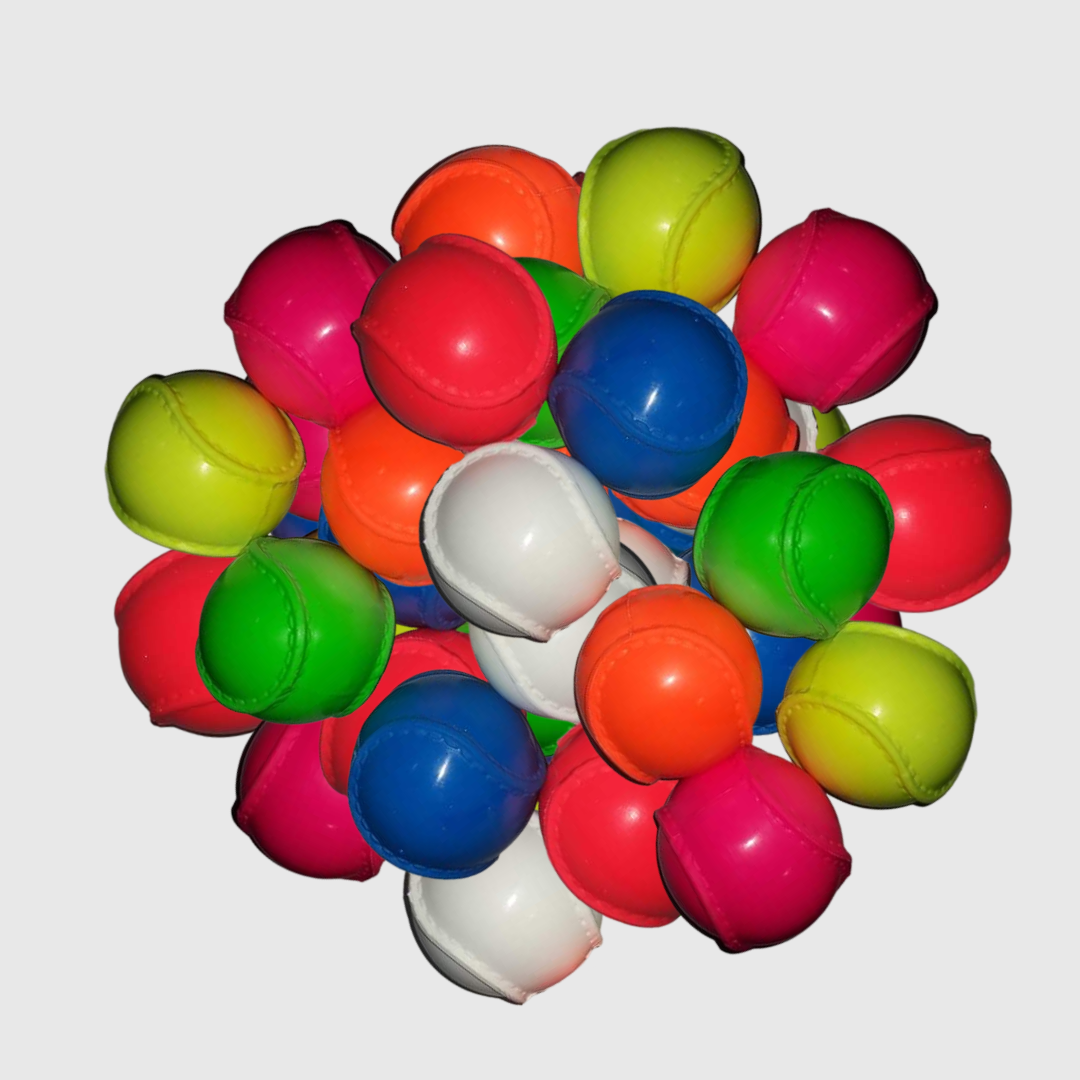
A wall ball is designed to be struck repeatedly against a hard surface. Our hurling wall balls are made from a special polyurethane, with the same weight and feel as a regular sliotar but a livelier, faster bounce. That extra rebound means more touches per minute, which is exactly what a player working alone against a wall needs.
Wall balls are also a practical choice for budgets. A match sliotar that spends the winter being hammered against concrete will wear out quickly, while a purpose-made practice ball is built for that job. Many coaches keep their good sliotars for pitch sessions and hand out wall balls for homework.
Speed Balls
A speed ball takes the idea further. Our speed balls are moulded from polyurethane with dimples instead of the raised rims found on a sliotar. The ball comes back faster and lower, so players have to react quickly, keep their hands soft and adjust their footwork. They still feel close to a sliotar on the hurley, and they are more durable than traditional balls when used for repetitive drills. Bright colours make them easy to track and easy to find at the end of a session.
Training Sliotars
Some work has to be done with a proper sliotar: long-range striking, puck-outs, frees and anything involving a full team on the pitch. Clubs usually keep a separate stock of training sliotars in the right sizes for each age group, so that match balls are kept for match days. Every Vincus sliotar is built around a high-quality PU core, which gives consistent performance from one ball to the next.
If you supply juvenile teams, remember that younger players use smaller and lighter balls. Our guide to sliotar sizes explains how the sizes line up with age groups.
Wall Ball Drills That Drive Demand
It helps to understand how players actually use practice balls, because the drills explain why the products sell. Coaches and players commonly use routines such as these:
- The timed challenge: strike the ball against the wall and catch it as many times as possible in one minute, then try to beat the score.
- Strike, control, strike: hit the ball, control it on the hurley or in the hand, then strike again, alternating left and right sides.
- One-touch rallies: return the ball to the wall first time without catching it, which sharpens reactions and wrist work.
- Strike and solo: catch the rebound, take a few steps carrying the ball on the hurley, then turn and strike again.
A flat wall of concrete or block works best, ideally tall enough that a mishit does not sail over the top. Short, regular sessions tend to work better than occasional long ones, which is why players get through practice balls steadily across the winter rather than in one burst.
For a retailer, a simple card or leaflet with three or four drills, displayed beside the wall balls, is an easy way to turn a browsing parent into a buyer.
Protective and Personal Kit
Practice balls are only part of a training setup. Players also need the personal equipment that keeps them safe and comfortable through repeated sessions.
Helmets
Since 1 January 2010, hurlers at every level have been required to wear a helmet with a face guard in both matches and training. Helmets must meet the approved standard, so clubs and retailers should source them from approved helmet suppliers. It is worth reminding parents that a winter of wall ball work is still hurling, and the helmet should go on every time.
Hurling Gloves
Many players now train in hurling gloves to improve grip on the hurley and protect the hand during hours of repetitive striking. Gloves wear out faster in heavy training than in matches, so a club shop that stocks them over the winter will often see repeat purchases. Our hurling gloves buyer’s guide covers fit, grip and sizing in more detail.
Hurley Bags
Players carrying two or three hurleys, a helmet, gloves and a pocket full of balls need something to put them in. A hurley bag keeps everything together on the way to training and protects the hurleys in transit. Bags printed or embroidered with a club crest also make a strong club shop item.
Building a Training Equipment Range
Whether you are equipping a club or stocking a shop, a few principles make bulk ordering simpler.
Think in Kits, Not Single Items
A juvenile coach running a skills night needs enough balls for every player, plus spares. A parent buying a present wants a ball, possibly gloves and possibly a bag. Grouping products into simple bundles, such as a wall ball and gloves pack, makes life easier for both.
Plan Sizes and Colours Early
Practice balls in bright colours are easier to find in long grass and dark alleys. If you are ordering custom colours or branded balls, agree the colours and any printing at the start, and approve a sample before the bulk order goes ahead.
Keep Match and Training Stock Separate
Label training balls clearly and store them apart from match sliotars. It protects your match stock, helps with budgeting and makes reordering straightforward at the end of the season.
Consider Your Own Brand
Retailers and brands increasingly sell training equipment under their own name. Wall balls, speed balls, gloves and bags all lend themselves to private label branding, and a branded range can set a shop apart from competitors selling the same generic lines. Our page on private label hurling gear explains how that process works.
Ordering Hurling Training Equipment from Vincus Sports
Vincus Sports is a manufacturer and exporter based in Sialkot, Pakistan. We make wall balls, speed balls, sliotars, hurling gloves and hurley bags, and we supply clubs, retailers and brands across Ireland, the UK, the USA, Europe and Australia, including custom and private label orders. Samples are available on request, and we ship worldwide with tracked delivery.
If you are planning a winter skills programme or stocking up before Christmas, tell us what you need, the quantities you have in mind and any branding you would like. Email qasim@vincussports.com or use our contact page to request a quote.
Leave a Reply