
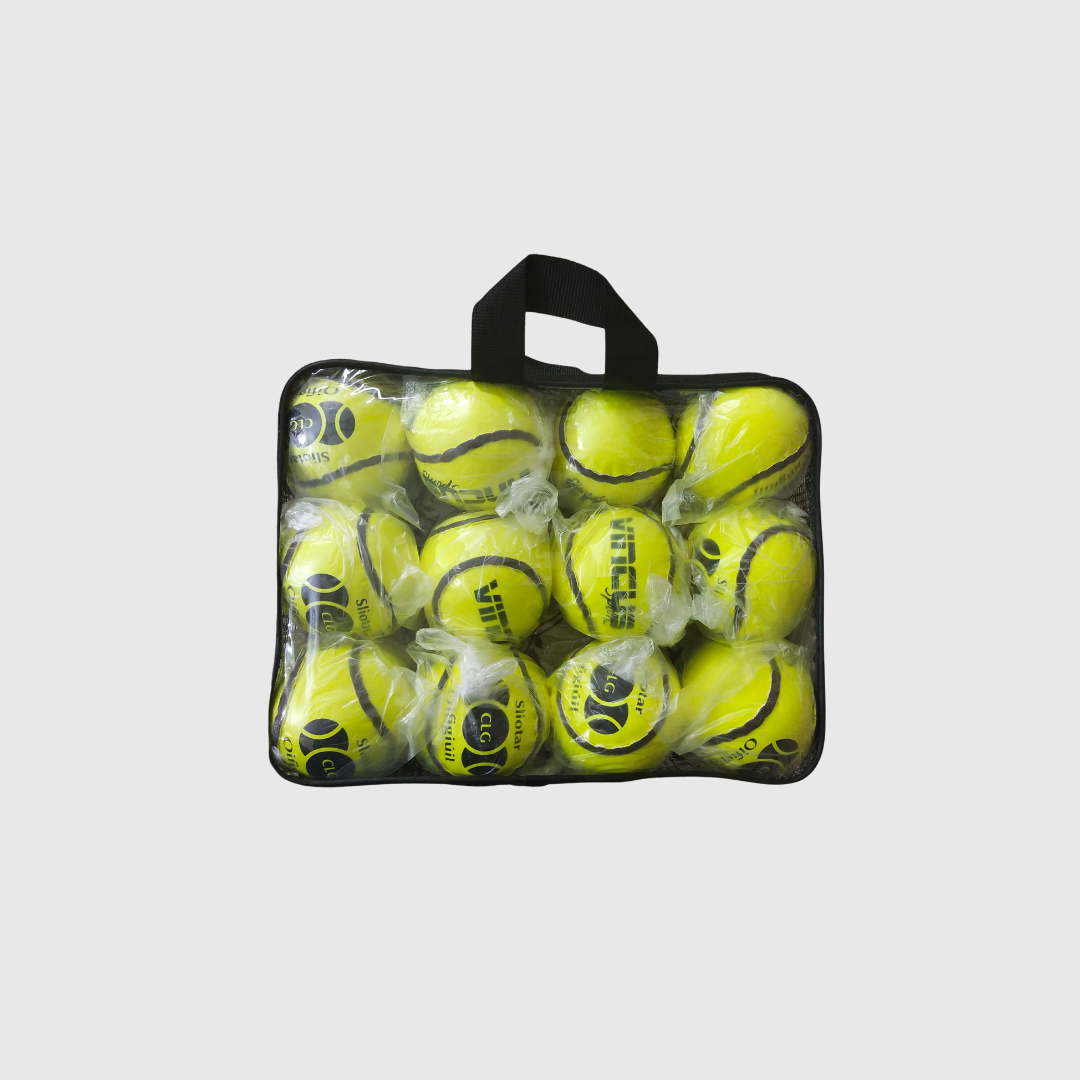
Sliotars are the one item every hurling and camogie team gets through constantly. They are lost over ditches, scuffed on walls and worn down in training, so clubs and shops reorder them season after season. Buying wholesale sliotars can save time and money, but only if you check the right things before you commit. This checklist covers the points that matter most.
1. Know Exactly Which Sizes You Need
Start with your customers. Adult hurling uses a size 5 sliotar. Camogie uses a size 4 at every grade, and juvenile hurlers typically use a size 4 up to around U14 or U15, depending on local rules. Younger children use soft Go Games balls: First Touch, Quick Touch and Smart Touch.
For a club, count players by age group and assign each one a ball size. For a retailer, look at past sales by size. Many shops find size 4 balls sell in larger numbers than they expected, because they cover camogie and much of the underage market.
2. Check the Ball Against the Official Specification
Match sliotars must meet the specification set out in the sport’s Official Guide. For the full-size ball, that includes:
- A diameter of 69mm to 72mm, not including the rib
- A mass of 110g to 116g
- A rib height of 1.8mm to 2.6mm and a rib width of 3.6mm to 5.4mm
- A cover 1.8mm to 2.7mm thick, with any laminated coating no thicker than 0.15mm
Sliotars used in official games must be approved and carry the mark of approval. If you are buying for competitive matches, ask your supplier directly about the approval status of the exact ball you are ordering. Training balls do not always need approval, but they should still feel close to a match ball so players are not caught out on match day.
3. Understand the Core
The core gives a sliotar its weight, bounce and feel off the hurley. Insist on a high-quality polyurethane (PU) core, moulded as a single piece for consistency. A good PU core resists water, so the ball keeps its weight in wet weather and plays the same from the first ball in a batch to the last. Ask your supplier to confirm the core in every ball and request samples so you can check weight and bounce before ordering.
4. Look Closely at the Cover and Stitching
The cover and the raised rib take every strike. When you inspect samples, check:
- That the stitching is tight, even and consistent around the whole rib
- That the rib height feels uniform
- That the cover sits smoothly with no loose areas or bubbles
- How the ball feels in the hand and off the hurley
Hand-stitched sliotars depend on skilled workers, so stitching quality is one of the clearest indicators of a good supplier.
5. Decide on Colour
The governing body has recommended that, from 1 January 2024, hurling games from Minor (U17) level upwards use a fluorescent yellow, high-visibility sliotar from an approved licensee. Yellow balls are also easier to find in long grass and to track under floodlights, so many clubs now favour them for training too. White balls remain available for buyers who want them.
6. Always Test Samples
Never order wholesale sliotars on photographs alone. Ask for samples of every line you plan to buy and give them to players and coaches. Test them in training, in wet conditions and against a wall. Keep one approved sample as your reference for checking the bulk delivery.
7. Plan Branding and Packaging
Retailers and brands often want sliotars with their own logo, and clubs may want branded balls for fundraising or presentations. Ask what branding options are available, how logos are applied and whether custom packaging is offered. Supply artwork in vector format with colour references.
8. Confirm Commercial Terms in Writing
Before you pay a deposit, agree in writing:
- Quantity per size and per line
- The agreed specification and approved sample
- Price per unit and payment terms
- Minimum order quantity
- Lead time and delivery method
- What happens if goods arrive damaged or do not match the sample
Every manufacturer sets its own terms, so ask your supplier for theirs rather than relying on general figures.
9. Time Your Order Around the Season
Demand rises before the hurling season and ahead of summer camps. Order early enough to allow for sampling, production and shipping so your stock arrives before players need it. Many buyers place a main order before the season and smaller top-up orders later.
10. Check Your Delivery
When the order arrives, count the stock, check sizes and colours and compare a selection of balls against your approved sample. Report any problems to your supplier promptly with photographs.
Why Many Sliotars Come From Sialkot
Sialkot in Pakistan has a long tradition of making hand-stitched sports balls, and its workshops have the skills needed for stitched products such as sliotars. Vincus Sports is a manufacturer and exporter based in Sialkot. We make sliotars, speed and wall balls, hurling gloves and hurley bags, and we supply clubs, wholesalers and brands across Ireland, the UK, the USA and Europe, including OEM and private label orders.
Browse our sliotars, explore the full hurling range or add hurling gloves to your order.
Your Wholesale Sliotar Checklist
- Map sizes to your players or past sales
- Check balls against the official specification and approval status
- Confirm a high-quality PU core
- Inspect stitching, rib and cover
- Choose colour: high-vis yellow or white
- Test samples in real conditions
- Plan branding and packaging
- Confirm terms in writing
- Order ahead of the season
- Check the delivery against your sample
Request a Quote for Wholesale Sliotars
Planning a bulk order for your club or shop? Send us your sizes, quantities and branding requirements and our team will prepare options for you. We offer 24/7 support via WhatsApp, or you can contact Vincus Sports for a quote today.
Leave a Reply